AI Material Recognition
Computer vision compares bed texture, color, mask pattern, and thickness cues so the app can suggest a safer starting profile and warn users when a material looks uncertain.
Glowforge R&D focuses on the pieces that make desktop fabrication feel less like machine operation and more like print preview for physical goods: sensing, material intelligence, cloud workflow, and ways for makers to turn files into repeatable income.
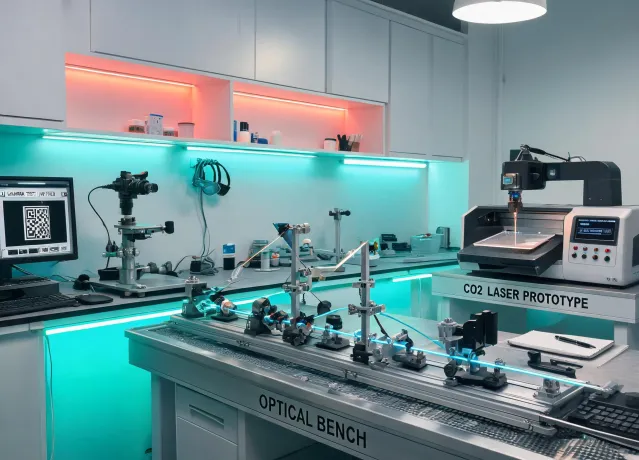
Computer vision compares bed texture, color, mask pattern, and thickness cues so the app can suggest a safer starting profile and warn users when a material looks uncertain.
Small sellers need repeatability. We are testing batching logic that nests orders, preserves names and personalization, and reduces wasted stock across weekly fulfillment.
Shared labs need permissioning, queue moderation, safe material lists, and project templates that survive a semester of rotating operators.
Off-cut tracking, sheet utilization feedback, and take-back experiments help makers see waste before it becomes a bin full of scraps.
The lab does not chase novelty for its own sake. A feature must shorten the path between idea and first usable object, reduce avoidable mistakes, or help a creator repeat success. That is why camera placement, autofocus, material libraries, safety interlocks, and browser workflow receive as much attention as laser power. The best tool disappears when the maker is in flow, but remains predictable when the work becomes a business.
We prioritize schools, studios, and shops with specific materials, deadlines, and output goals. Tell us the bottleneck and we will route it to the right program.
Apply to the Lab